Jörg wasn’t my first academic art teacher but you might fathom his influences even within this project WEARTH. He had a close relationship with East German artist AR Penck, working as a bridge-builder among German artists at those cold war times where nobody would even think of German reunification. His series Café Deutschland stand for me equally to those works of Anselm Kiefer, both trying to convey a feeling of and about German culture. Jörg hated Kiefer because he had stolen the title “Beuys Ritter” from him…. I remember an art project in Munich we did together and other young artists: “Unser Land” (Our Country). In fact, the stories are countless.
Jörg, this is our joint sleigh ride.
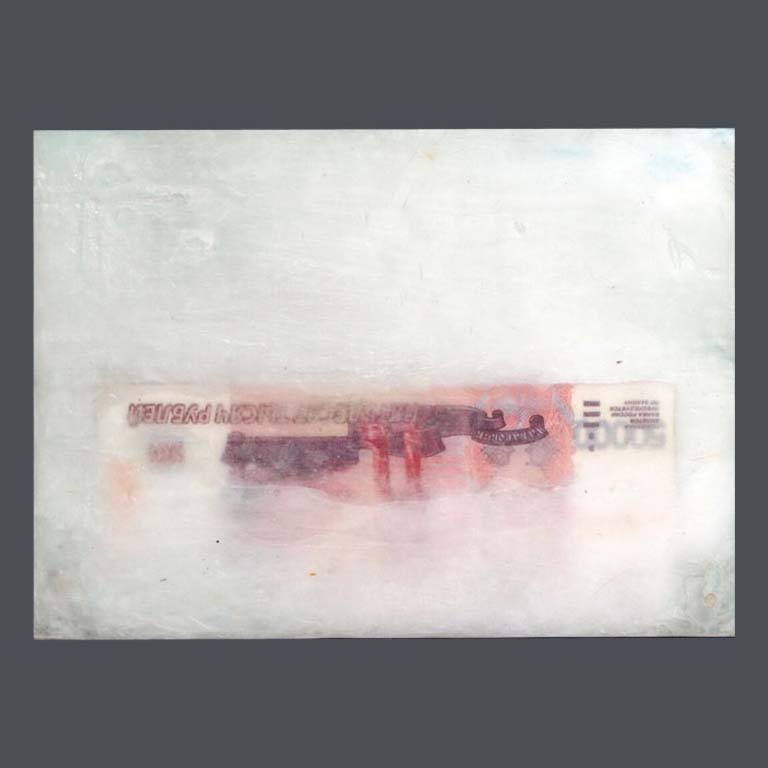
When my studies with Jörg Immendorff ended, I had to pick a new teacher and I was intrigued by the capitalist realism of Gerhard Richter.
He had a staple of 500 Deutschmark bills at the entrance of his place.
The Richter class was in the Harkortstraße in Düsseldorf beside the ancient studio of Blinky Palermo, close to the central train station. When I showed him my work he took a photo from his pocket showing his BMW. “Paint this”, he said.
Whereas I still think he has quite some merit (e.g. when he speaks of painting as specific form of complex thinking), I especially like his terrorist pictures I saw first at an opening in Krefeld (they still had this fresh oil paint smell at that point), where they were shown for the first time, I strongly doubt his pedagogic capacities.
So, after three days with him, I had to move on. On the other hand, even if you don’t work in one professor’s class, both the class and the professor are remaining at the academy. Thus all academy members are constantly at your intellectual horizon. I really think that an ideal academy is a morphogenetic field of sorts.
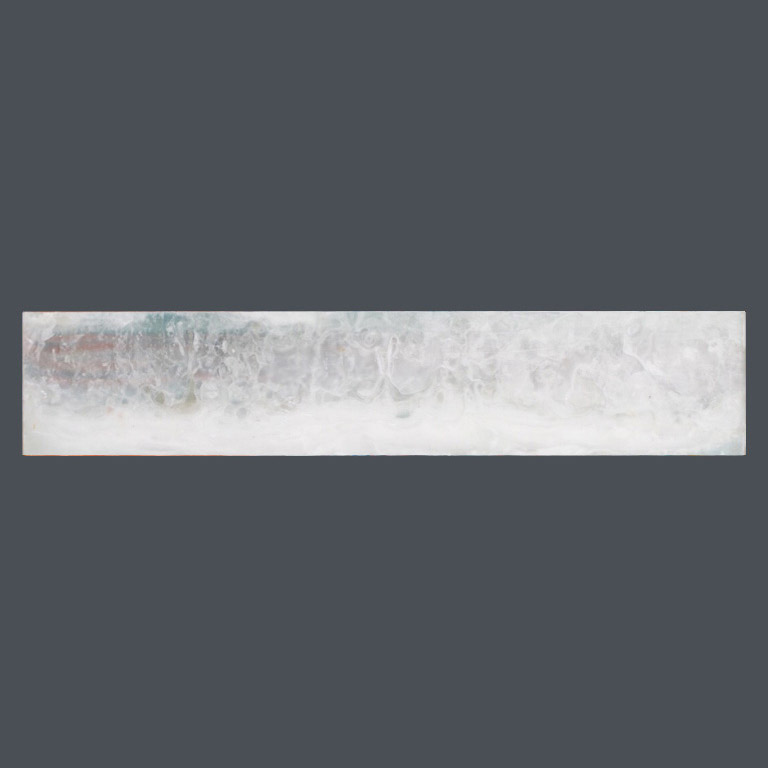
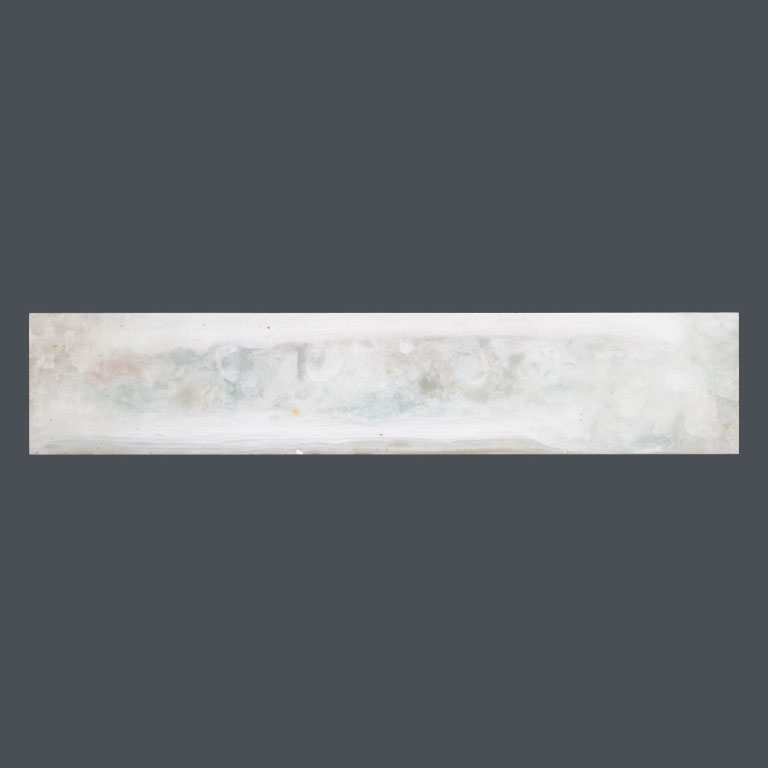
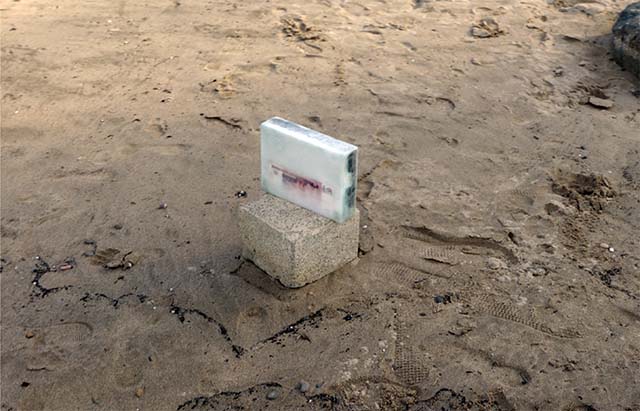
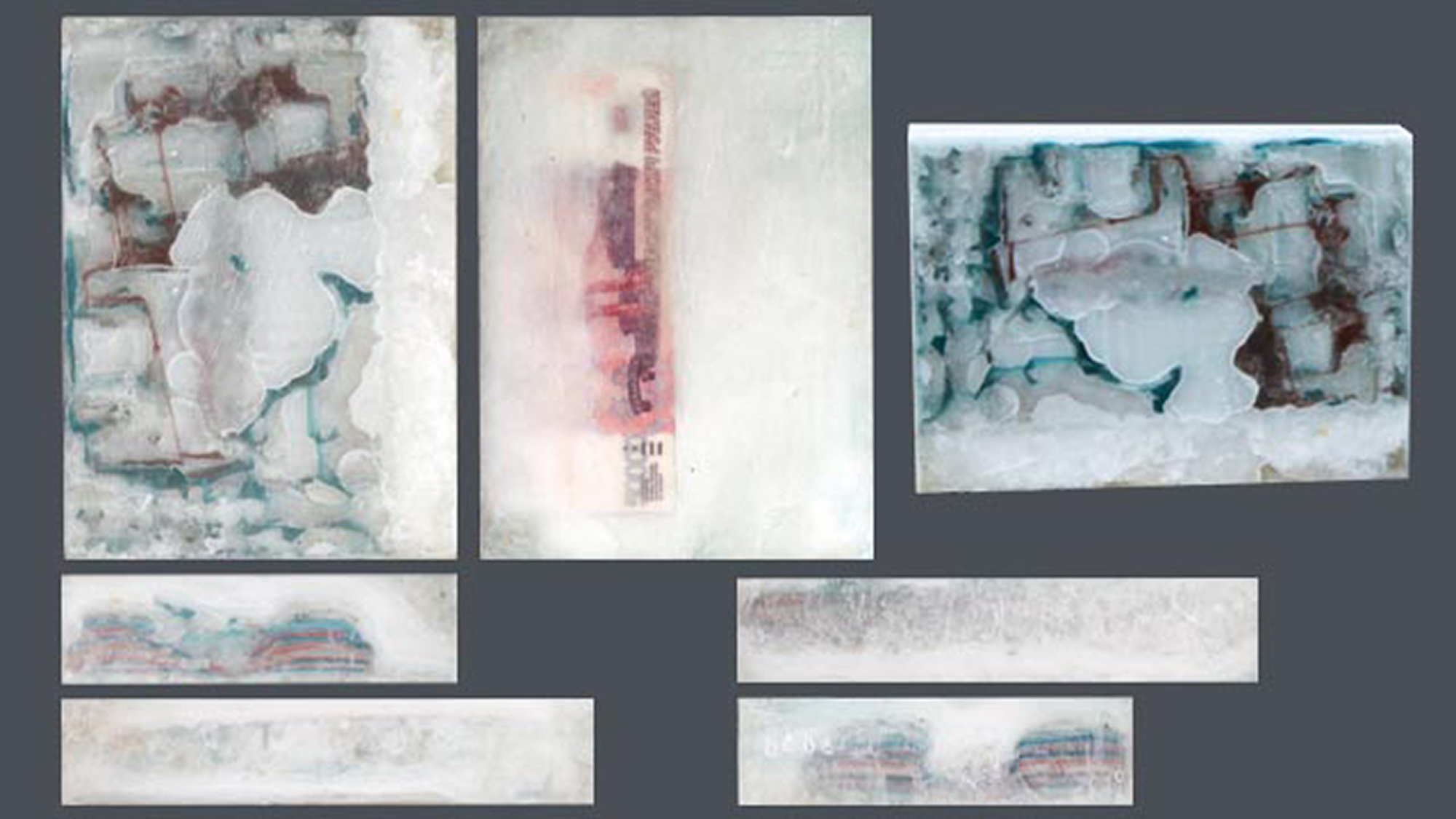
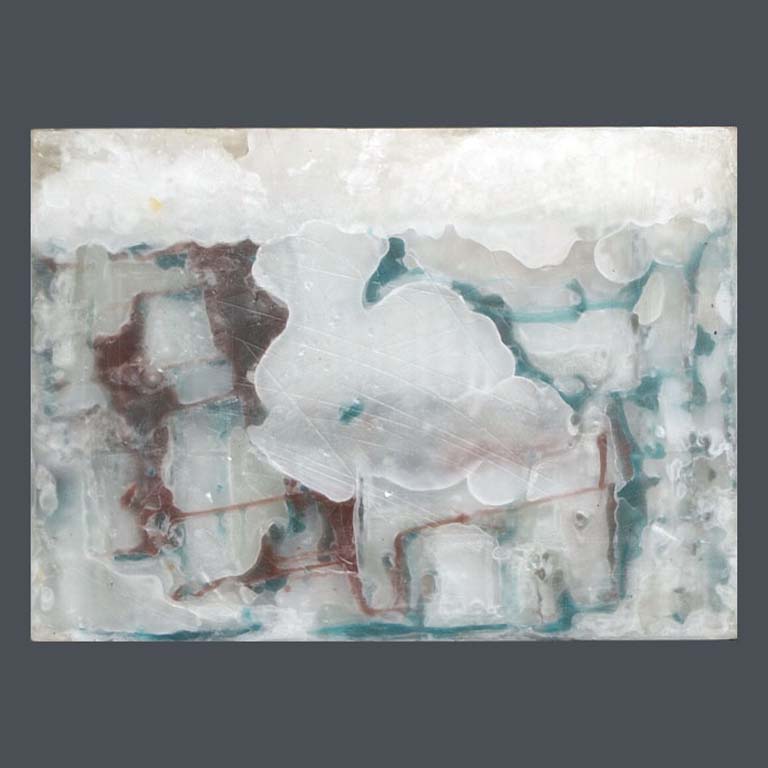
The Fettecke was a sign of the Beuys space. In the second biggest censorship scandal of the FRG (the biggest was probably the Spiegel affair), the Düsseldorf Academy was evacuated by 2,000 police officers because Joseph Beuys intended to teach anyone who wanted to study with him. The knowledge of the fine arts must remain elitist, freedom is not for everyone. In the end, Beuys was no longer allowed to teach, but his studio space at the academy could not be taken away from him because it is given for life. That’s how the free thinking rounds came about on Wednesday evenings, in which I took part as a 14-year-old Benjamin. In this room, decorated with a fat corner, the 60-year-old entrepreneur met with the housewife, the art student with the pupil, the politically interested with the one interested in beauty, to think together about what was at hand. It was the freest thinking space I have experienced in my country. So the professor of monumental sculpture influenced me quite a lot in my adolescence. Nevertheless, when Sigmar Polke once asked me on a Christmas Eve in the family circle, when he saw an encaustic wax block for the first time, whether this probably had something to do with Beuys, we both agreed that this was probably more a preoccupation with the physical aspects of painting than a fat corner focused on the material texture. So, in fact, I think less of Beuys in this 4th page than I do of people like Robert Ryman, who worked intensively on the colour “white”.
Unlike Richter, however, Beuys was a great art educator measured by the students he produced….
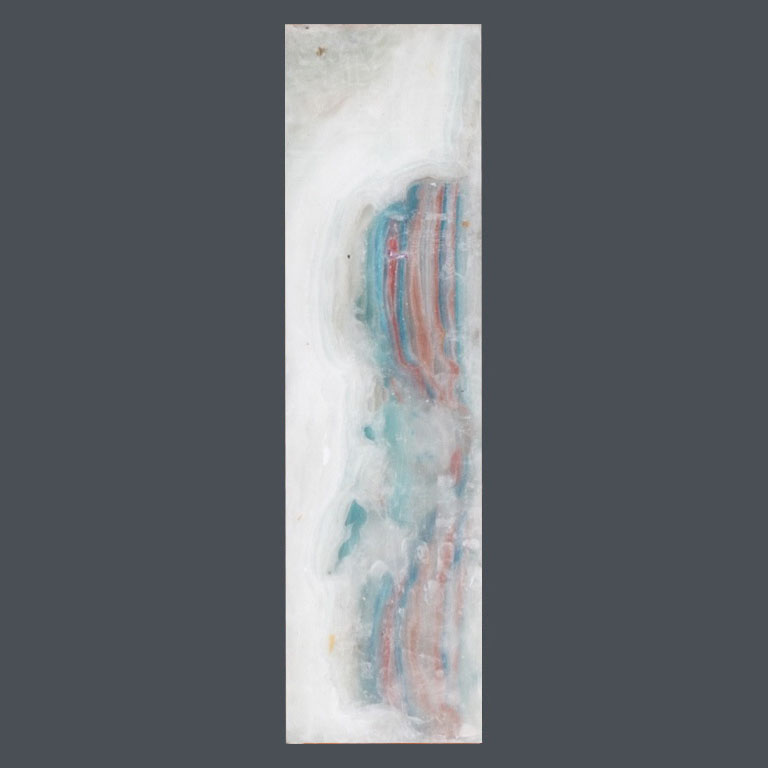
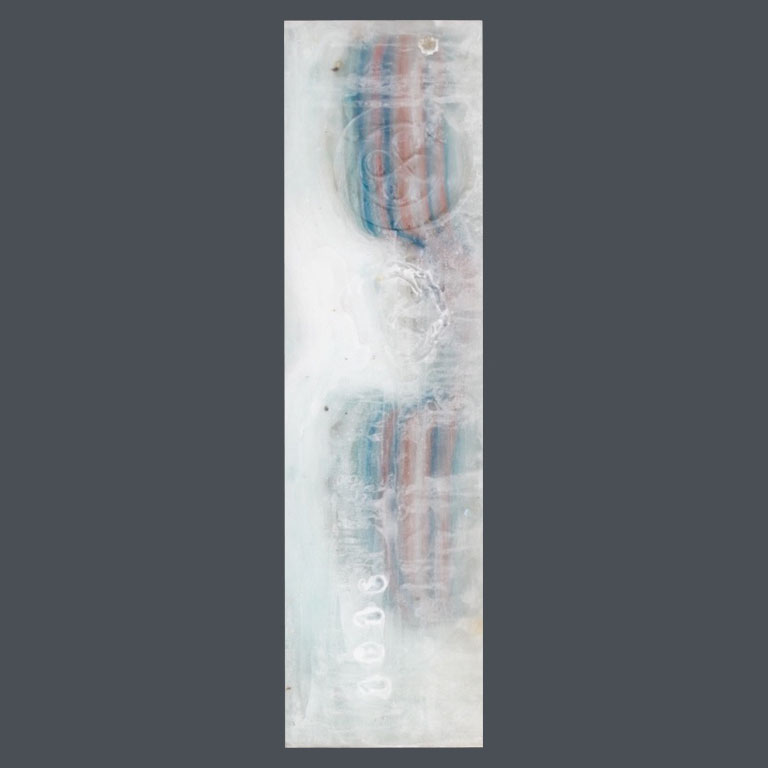
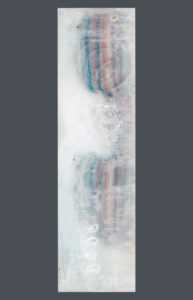 Hubert Schaffmeister was my first professor in Cologne at the former Werkkunstschule, now TU Köln, who taught me free art.
Why I chose this page for him: Schiller urged the balance between the drive to play and the drive to form. The formal instinct must be a little stronger in this form of painting; so the seal and name fit quite well here. Hubert Schaffmeister’s glass painting with its translucent colours was certainly a source of inspiration for choosing translucent wax as the basic material for WEARTH. This form of painting is also closely related to architecture and even more so to nature, as the changing light is an active design element.
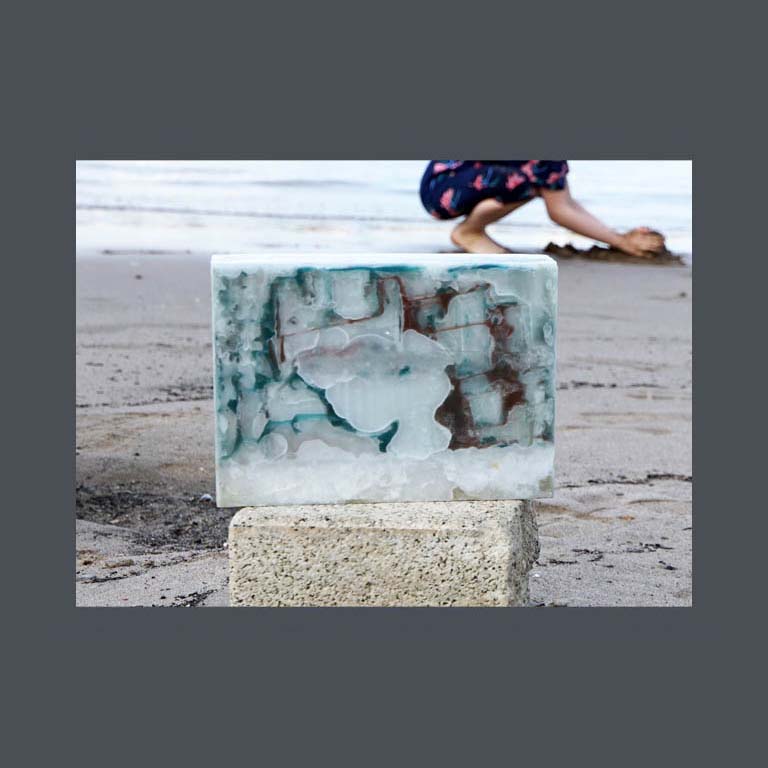
Markus Lüpertz was my longest teacher at the Düsseldorf Academy, which is why I am dedicating this seventh page (the Inside) of the wax cuboid to him. In everything and everything he did, he brought his body unreservedly into it, the most important tool of painting, namely, to think of everything and to create with the given, the perceiving body. Of course, there is a distance in the meantime when one’s own work is in the foreground. But in my opinion, what is decisive for Lüpertz is something that escapes many viewers and critics (except Rosemarie Trockel): similar to Beuys, both stand on the free-spirited shoulders of Heine, refusing to be taken in prematurely. Markus’ strongest reaction to a book he saw at my place was to Augustinus’ “Ascent to God”: “That interests me.” We both love our daughters.